By Meng caii | 09 September 2026 | 0 Comments
Why do paper hangers delaminate, crack, or warp? Read this article to find out!
Why do paper hangers delaminate, crack, or warp? Read this article to find out!
As global fashion and retail brands accelerate their sustainable transformation, eco-friendly paper hangers have gradually replaced traditional plastic and wooden hangers and become the mainstream choice for clothing, footwear, and accessory display. Made of 100% recyclable, biodegradable, and eco-friendly paper materials, paper hangers deliver the same display and bearing functions as plastic and wood hangers while reducing brand carbon footprints, perfectly fitting the green development concept of modern retail.However, many merchants encounter common problems in actual use: paper hangers are prone to deformation, delamination, cracking, and poor load-bearing, especially when hanging heavy garments, denim clothing, or bulk shoes. These defective issues not only affect the product display aesthetics but also damage the brand’s professional image. Many buyers mistakenly believe that paper hangers are inherently fragile. In fact, all deformation and damage problems stem from unreasonable material selection, unstandardized production processes, and inferior auxiliary materials. This article will thoroughly analyze the root causes of paper hanger damage and share professional production standards to help brands select durable and high-quality paper hangers.
1. The Essential Attribute of Paper Hangers: Structural Characteristics of Composite Paper
Most high-quality display paper hangers on the market have a conventional thickness of 3mm, which cannot be achieved by a single layer of paper. Instead, they are formed by multi-layer paper composite pressing. The overall rigidity, toughness, and structural stability of the paper hanger depend on three core production links: base paper material grade, adhesive quality, and pressing process parameters.Unlike homogeneous plastic and solid wood materials, composite paper hangers are susceptible to structural changes under gravity, humidity, and unqualified processing technology. Common problems such as bending deformation, interlayer peeling, and edge cracking are all derived from the mismatch of the above three core links, rather than the inherent defects of paper hanger products.

2. Core Cause 1: Improper Base Paper Selection (Determines Toughness and Stiffness)
The mainstream raw materials for commercial paper hangers on the market are kraft paper, white cardboard, and gray board paper. Each material has distinct performance characteristics and applicable scenarios, and mismatched material selection is the primary cause of hanger damage.2.1 Gray Board Paper (The Most Widely Used Commercial Material)
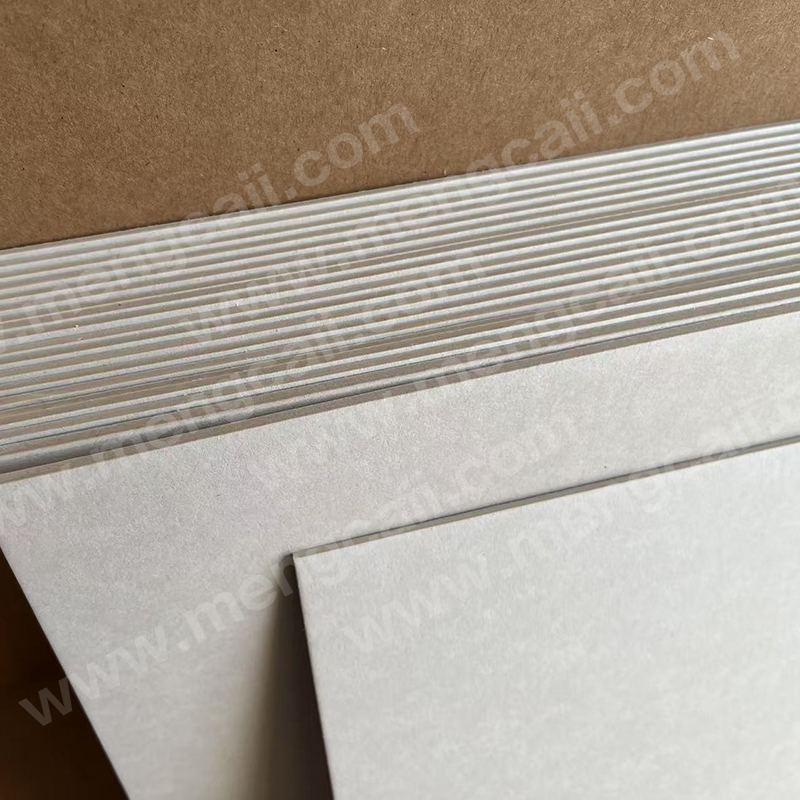
Gray board paper is the preferred material for most mass-produced paper hangers, with cost-performance and stability advantages. The hardness, stiffness, and interlayer bonding force of gray board paper vary greatly with grades. Low-grade gray boards have loose fiber structures, poor compression resistance, and are prone to delamination and collapse under slight pressure.
Professional Production Standard: For 3mm thick paper hangers, the base gray board must be no less than 2000g high-density gray board. Only high-spec gray board can maintain stable stiffness and load-bearing capacity, effectively avoiding bending deformation when hanging heavy clothes and shoes.
2.2 Kraft Paper (High Toughness Display Material)
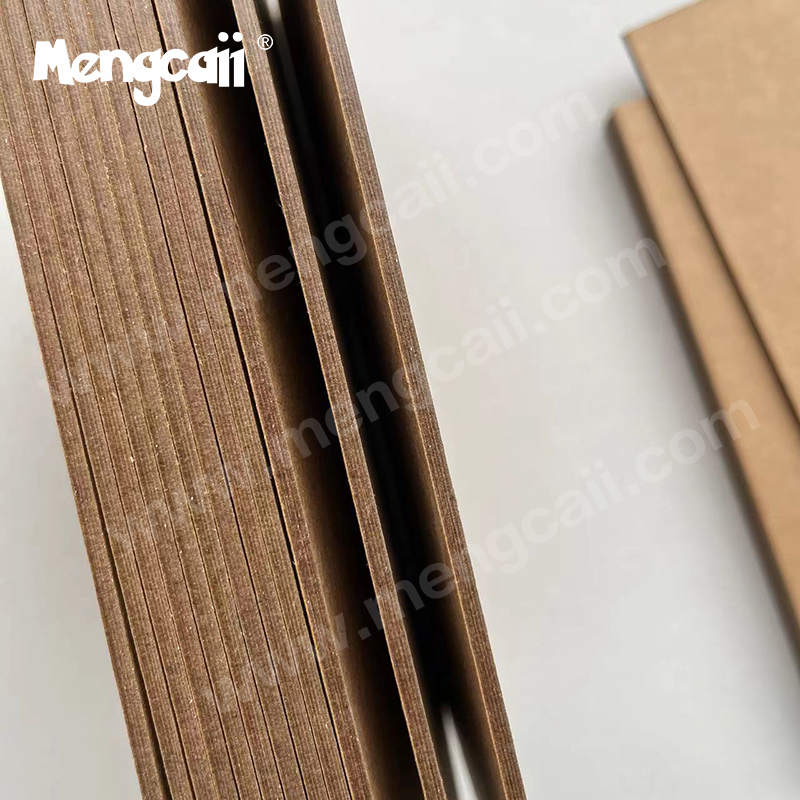
Kraft paper hangers outperform white cardboard and ordinary gray board in toughness and tensile resistance, not easy to break, and are suitable for hanging heavy fabrics. Many buyers blindly choose imported American kraft or Russian kraft paper, but ignore the core demand of paper hangers: balance of toughness and stiffness.
Pure high-toughness kraft paper lacks sufficient stiffness, and it is still easy to bend and deform under long-term gravity. After repeated tests, Jiulong kraft card is the most suitable material for paper hangers, with balanced toughness and stiffness, ensuring both impact resistance and flat display effect.
2.3 White Card Paper (High-Definition Printing Material)
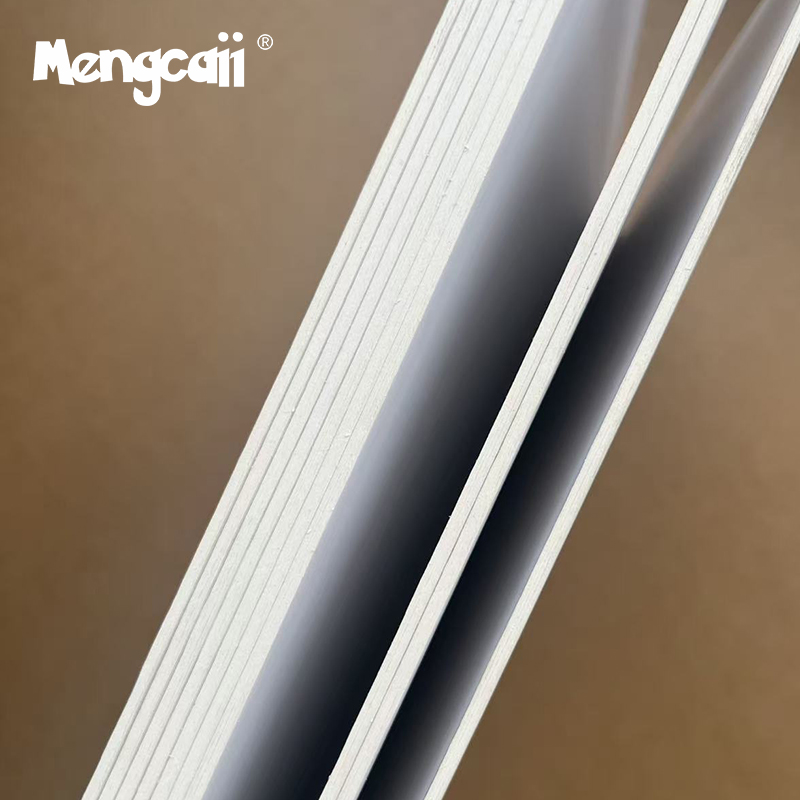
White cardboard has a smooth surface and excellent printing presentation, which can restore brand logos and pattern details in high definition, making it the first choice for high-end customized printed hangers. However, its toughness is slightly weaker than kraft paper. For high-load scenarios, it is necessary to optimize the composite process to make up for the stiffness deficiency of white cardboard. Conventional lightweight white cardboard is prone to edge cracking after pressing.
3. Core Cause 2: Inferior Adhesive Leads to Delamination and Peeling
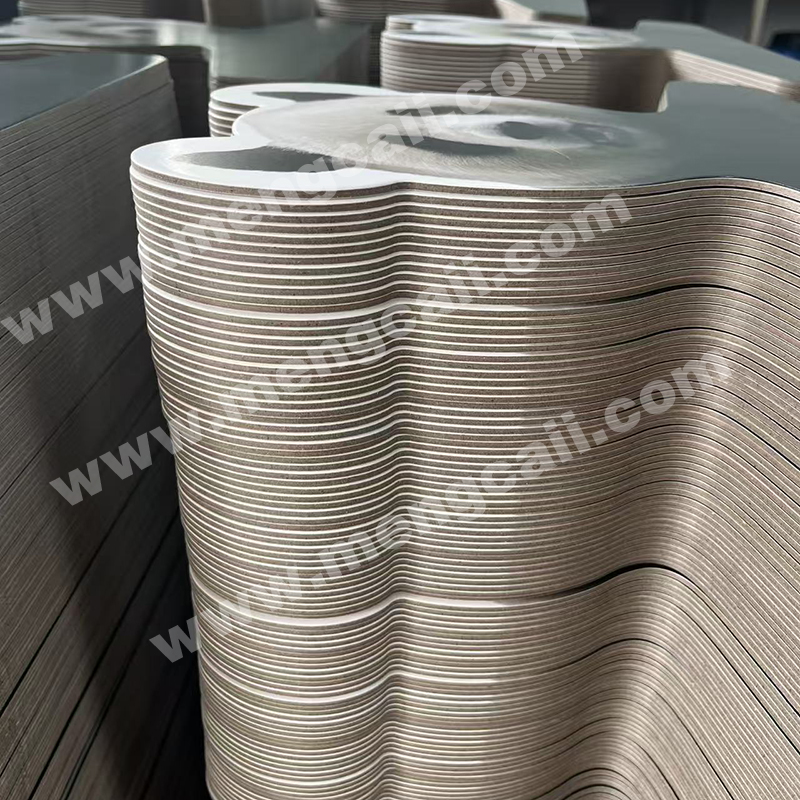
Multi-layer composite paper hangers rely entirely on adhesives to bond the paper layers. The quality of glue directly determines the interlayer bonding fastness and moisture resistance, and is the key factor causing paper hanger delamination.
Many low-cost manufacturers use cheap industrial glue to reduce costs. Such glue has poor adhesion, weak weather resistance, and is easy to lose viscosity in conventional retail environment humidity, resulting in separation between paper layers. In addition, inferior glue contains volatile components, which cannot meet global environmental protection certification standards and is not suitable for brand foreign trade display.
Professional Recommendation: Formal eco-friendly paper hanger manufacturers uniformly use water-based white glue. Although the cost is higher, it has strong adhesion, uniform bonding, excellent moisture resistance, and 100% environmental protection and degradability, which is consistent with the green attribute of paper hangers. It can firmly lock the multi-layer paper structure and completely avoid delamination and peeling during long-term display and use.
4. Core Cause 3: Unstandardized Pressing Process Causes Deformation and Cracking
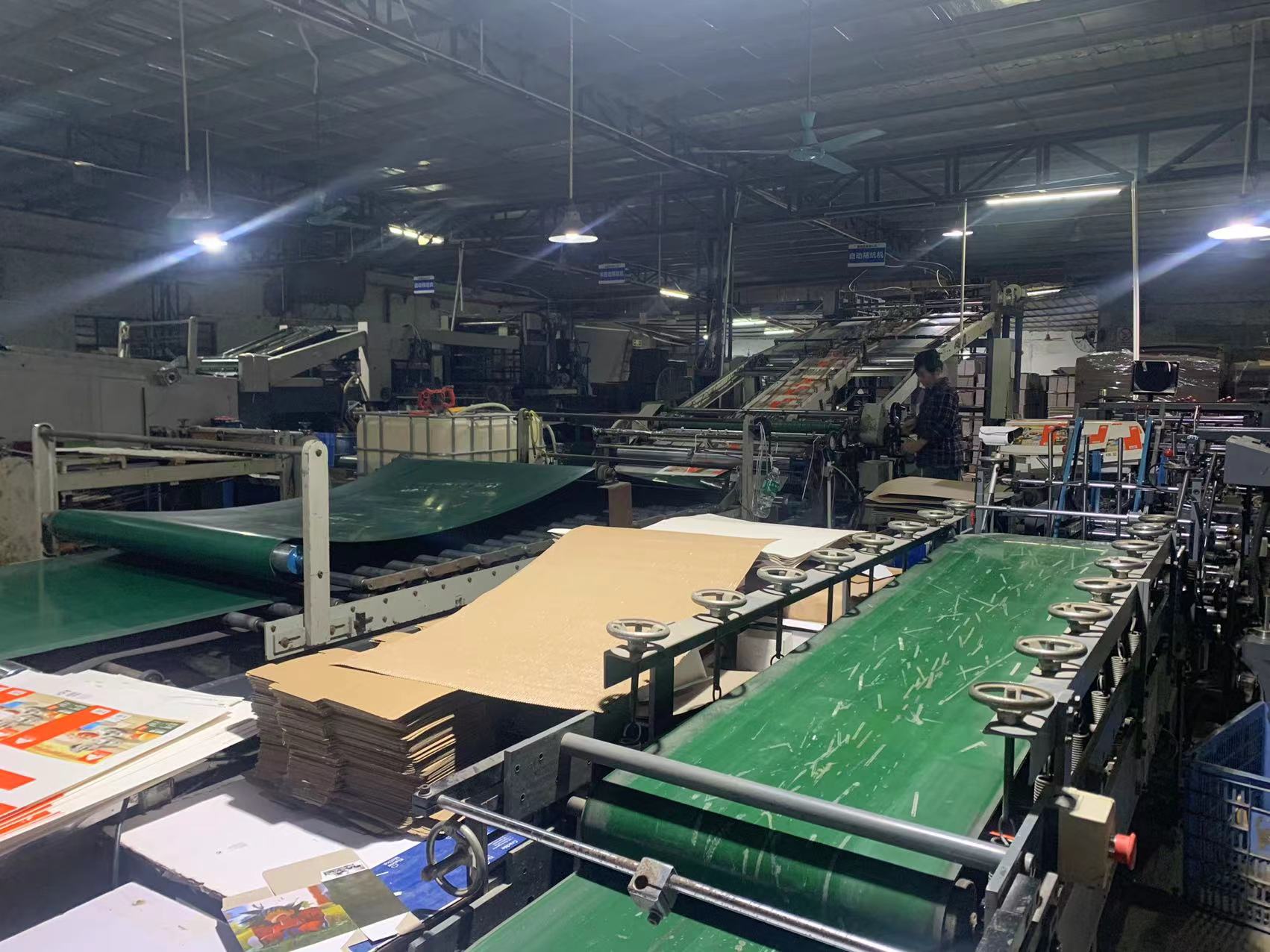
Material and glue are the foundation, and the pressing process is the key to shaping the stability of paper hangers. The pressure parameters and machine precision in the composite pressing process directly affect the flatness and structural strength of finished hangers.
Small factories use ordinary pressing equipment with unstable pressure and uneven force on the paper board surface. Excessively low pressure leads to loose lamination and easy delamination; excessively high pressure will squeeze the paper fiber structure, causing edge cracking and internal structural damage. In addition, unreasonable pressing time will lead to inconsistent drying degree of the glue, resulting in uneven shrinkage of the paper board and permanent bending deformation.
5. Auxiliary Factor: Environmental Humidity and Usage Scenarios
As a natural fiber material, paper has inherent moisture sensitivity. In high-humidity retail environments, unprotected low-quality paper hangers will absorb moisture, leading to fiber softening, reduced stiffness, overall warping and deformation, and even mold and delamination in severe cases. While high-quality paper hangers adopt professional moisture-proof treatment technology in the production process, which can adapt to conventional indoor display environments and maintain long-term structural stability.
6. How to Choose Durable High-Quality Paper Hangers? Professional Standards Summary
To avoid deformation, delamination, and cracking of paper hangers, brands can refer to the following professional selection standards to screen qualified suppliers:- Base Paper Standard: 3mm thick hangers use more than 2000g high-density gray board, Jiulong kraft card for tough styles, and high-stiffness white card for printed styles;
- Adhesive Standard: Fully adopt eco-friendly water-based white glue to ensure firm interlayer bonding and no delamination;
- Process Standard: Precise mechanical pressing with constant pressure and constant temperature to ensure uniform stress and no cracking or deformation;
- Performance Standard: Balanced toughness and stiffness, strong load-bearing capacity, suitable for clothing, shoes, and accessories display.
7. MENGCAII: Professional Custom Durable Eco-Friendly Paper Hangers
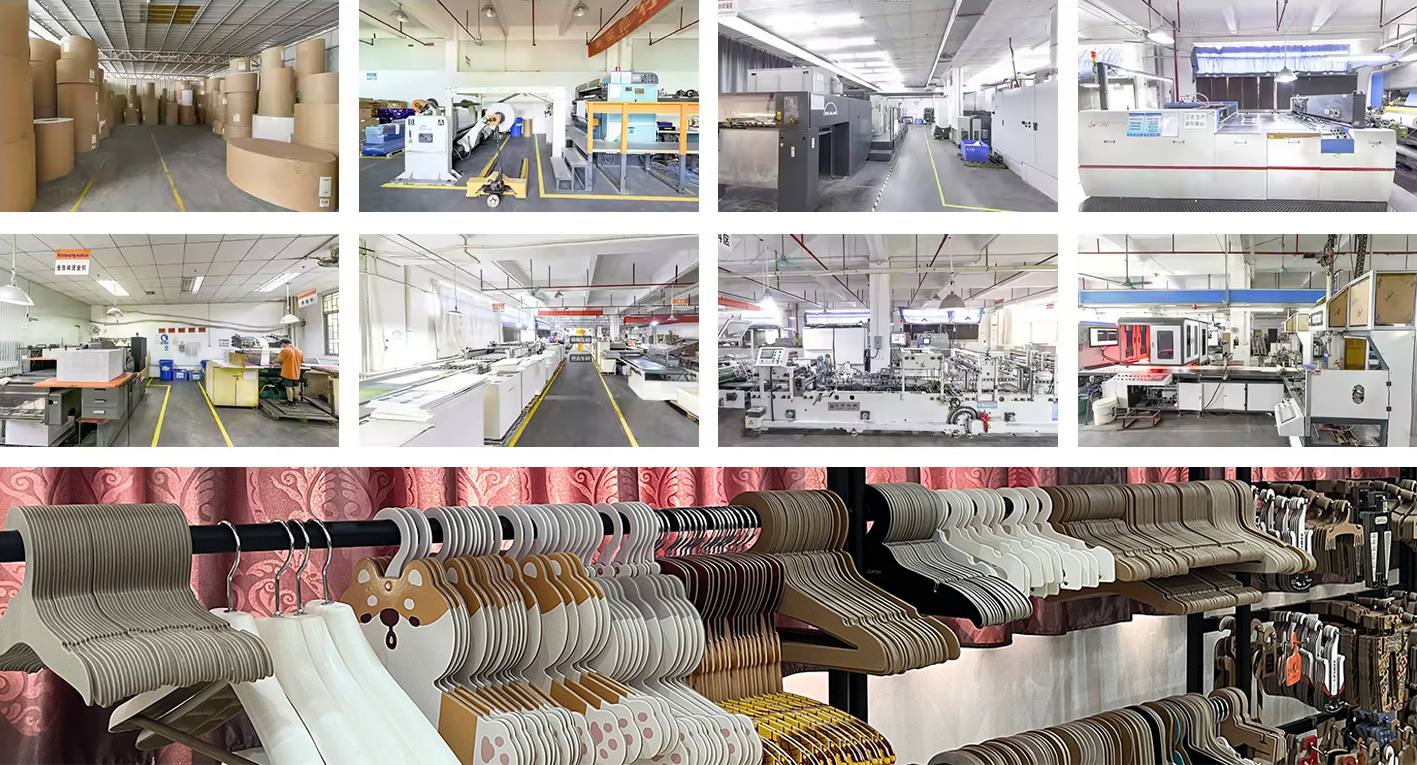
With decades of professional experience in the design and production of custom paper hangers, MENGCAII has summarized a mature set of material matching and production processes through countless formula tests and process optimizations.
We abandon low-cost inferior raw materials and unqualified processes, and strictly select high-density gray board, high-quality Jiulong kraft card, and high-flatness white card as the base materials. Equipped with eco-friendly water-based white glue and precise constant-pressure pressing technology, our paper hangers perfectly balance load-bearing toughness, structural stiffness, and display aesthetics.
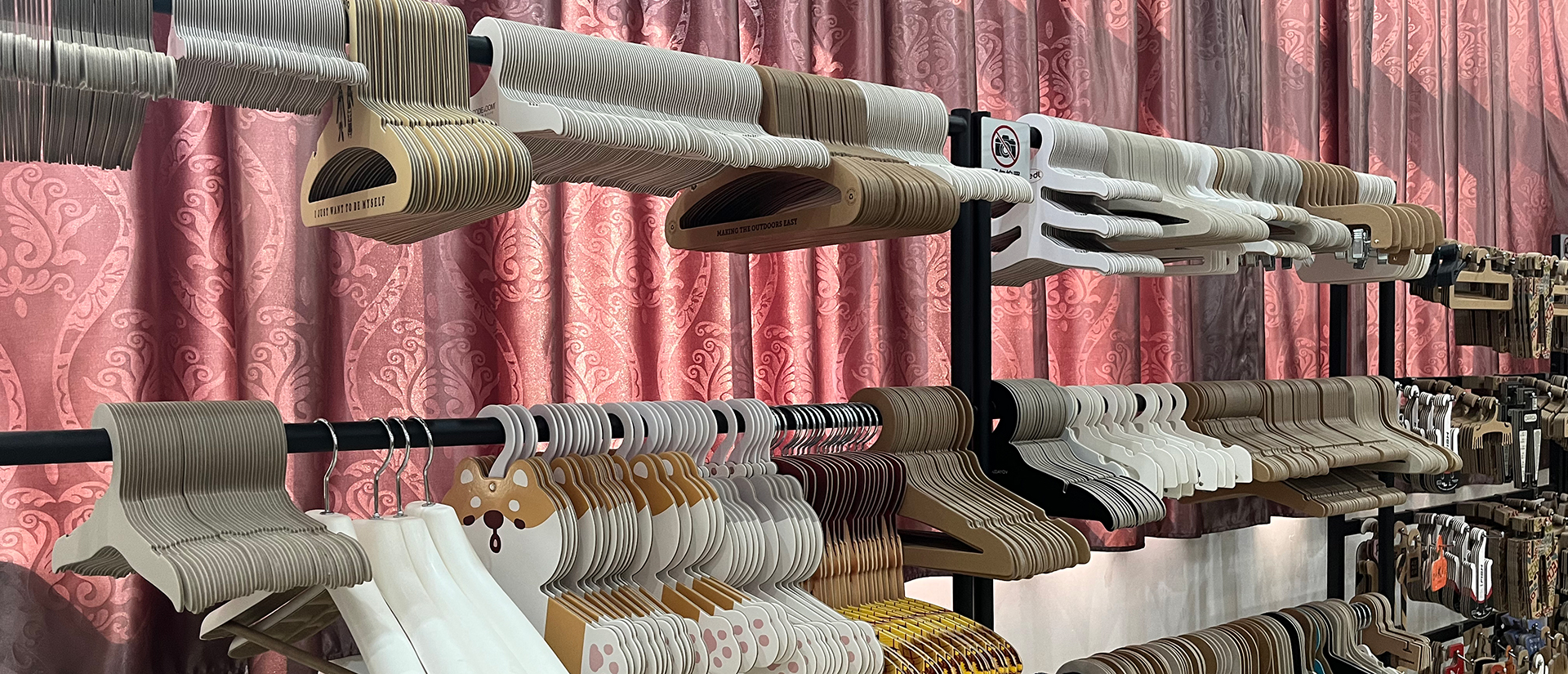
All MENGCAII paper hangers are 100% recyclable, biodegradable, and eco-friendly, compliant with international environmental protection standards. They are widely used in high-end fashion, clothing, and footwear brand display, solving the common pain points of deformation, delamination, and cracking of ordinary paper hangers, and helping brands create high-end green display images.
Final Words
Paper hangers are not fragile environmental substitutes. The damage problems in actual use are all caused by low-end materials and rough processes. A truly high-quality customized paper hanger can completely replace plastic and wooden hangers in terms of load-bearing performance and display effect, and has more environmental protection value and brand presentation advantages.If you are looking for stable-quality, non-deformable, durable eco-friendly paper hangers and customized printed paper hangers for brand display, MENGCAII provides one-stop professional customization solutions to meet your high-standard display needs.
More Paper Hangers >>
www.mc-hangers.com
Leave a Reply
Your email address will not be published.Required fields are marked. *